
OEKO-TEX vs GRS vs GOTS
What each textile certification covers, who holds it, and which one your product actually needs.
OEKO-TEX Standard 100 certifies a textile is tested for harmful substances and safe for skin contact. GRS (Global Recycled Standard) verifies recycled content and its supply chain. GOTS certifies organic natural fibres and their processing. They answer different questions — safety, recycled content and organic — so a product can need one, several or none.
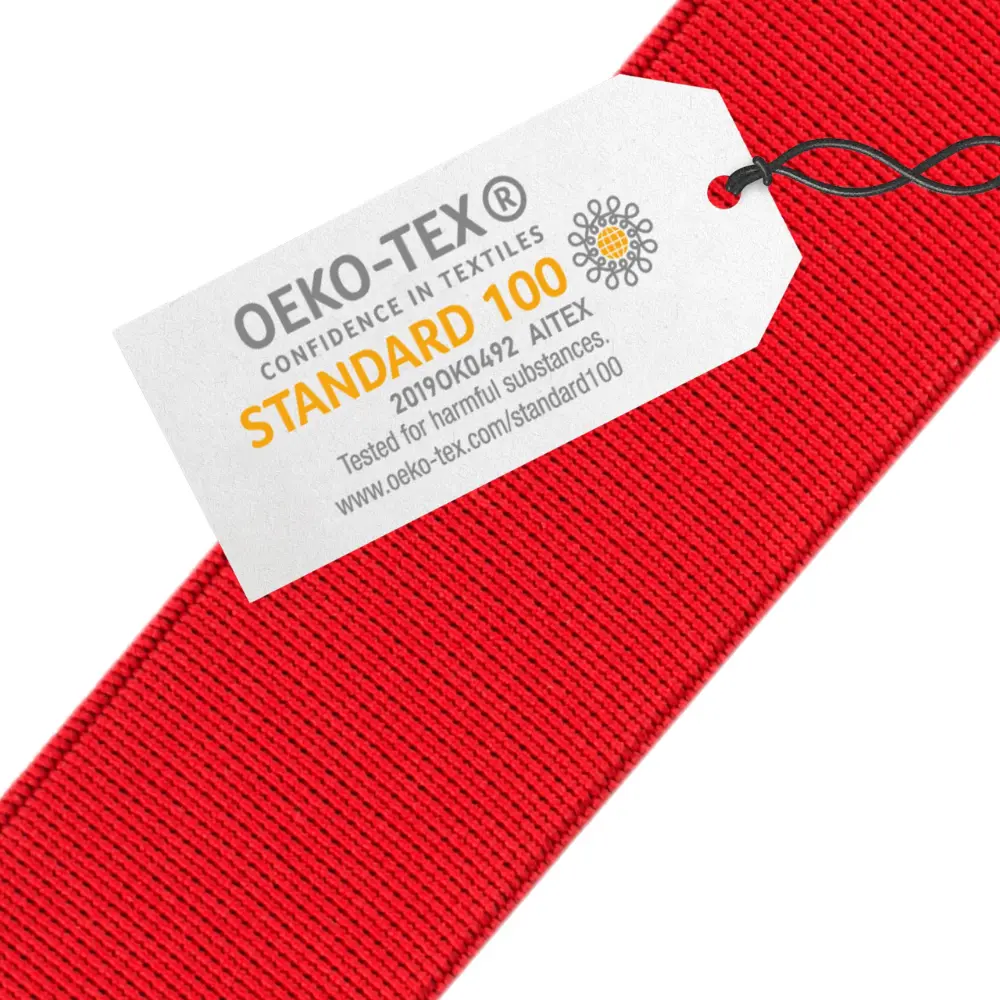
A quick, honest map from a manufacturer. Tekiş holds OEKO-TEX Standard 100 (No. 2019OK0492) and ISO 9001/14001/45001. We can source GRS-certified recycled yarn on request (held at supplier level); we do not label products as GRS or GOTS certified. Here is what each one actually means — see our certificate.
What does OEKO-TEX Standard 100 certify?
OEKO-TEX Standard 100 tests a textile for harmful substances and confirms it is safe for skin contact — there are stricter limits for baby and skin-contact products. It is the most widely requested baseline in apparel and accessories. It does not certify recycled content or organic origin; it is purely about chemical safety.
What does GRS certify?
The Global Recycled Standard (run by Textile Exchange) verifies recycled content and tracks it through the supply chain (chain of custody), with social and environmental criteria. A finished product can only be called “GRS certified” if it is certified through that chain. In practice this often starts at yarn level: GRS-certified recycled yarn is sourced, then carried through certified production.
What does GOTS certify?
GOTS (Global Organic Textile Standard) certifies organic natural fibres — mainly organic cotton — and the processing around them. It applies to natural fibres, not synthetics, so it is largely not applicable to polyester or nylon elastic and webbing.
How do they compare?
| Certification | Question it answers | Applies to |
|---|---|---|
| OEKO-TEX 100 | Is it free of harmful substances / skin-safe? | All textiles |
| GRS | Is the recycled content real and traceable? | Recycled materials |
| GOTS | Is it organic and processed responsibly? | Organic natural fibres |
Which certification does my product need?
- Skin contact / safety → OEKO-TEX Standard 100 (the usual baseline buyers ask for).
- A recycled claim → GRS, certified through the chain.
- An organic claim → GOTS, for organic natural fibres.
For how recycled content works in practice on our products, see Recycled Webbing & ESG.